
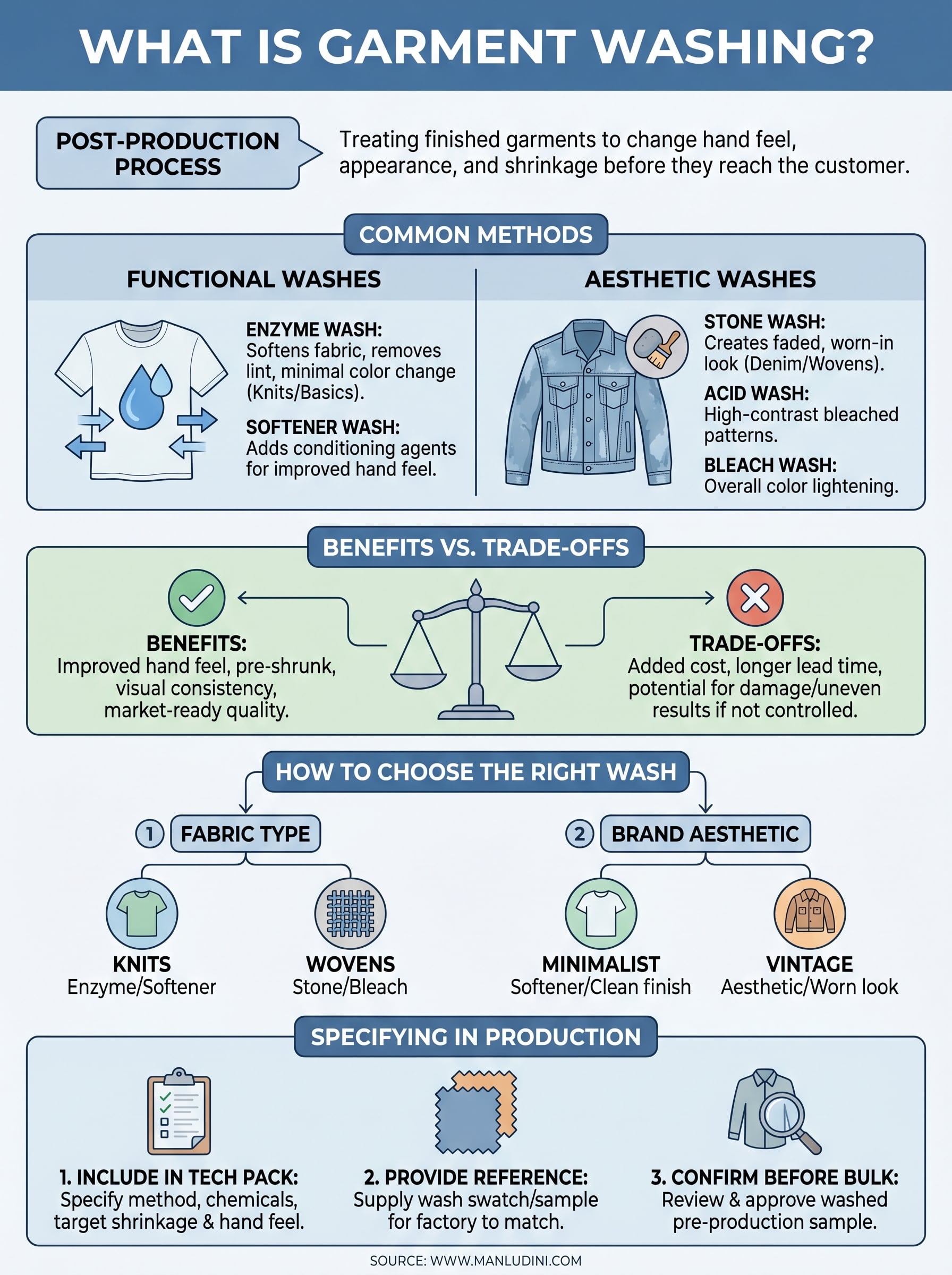
If you've ever compared a brand-new pair of jeans straight off the production line to one that feels soft and broken-in right off the shelf, you've already seen the result of garment washing. So what is garment washing, exactly? It's a post-production process where finished garments go through specific wash treatments to change their hand feel, appearance, shrinkage behavior, or overall look, before they ever reach a customer. It's one of those production steps that most consumers never think about, but it can define how a product feels and sells.
Different wash methods produce different results, from enzyme treatments that soften fabric to stone washes that create a worn-in aesthetic. Choosing the right technique depends on your fabric, your target look, and your budget. Getting this decision wrong can lead to unexpected shrinkage, color loss, or a finish that doesn't match your brand's vision. Getting it right gives your garments a professional, market-ready quality that buyers notice immediately.
At Manludini, washing is part of the production support we coordinate for brands developing garments from sampling through bulk manufacturing. In this article, we'll break down the main garment washing methods, explain what each one does, cover the practical benefits, and help you figure out when to use which technique for your next production run.
How garment washing works
When you send finished garments through a washing process, they go through a controlled treatment in industrial machines that apply water, chemicals, mechanical action, or a combination of all three. The goal isn't just cleanliness. Garment washing changes the physical and visual properties of the fabric in a deliberate way, so the final product behaves the way you want it to when it reaches the end customer.
The wash treatment you choose at the factory level directly determines how your garment looks, feels, and fits once a customer puts it on for the first time.
What happens inside the machine
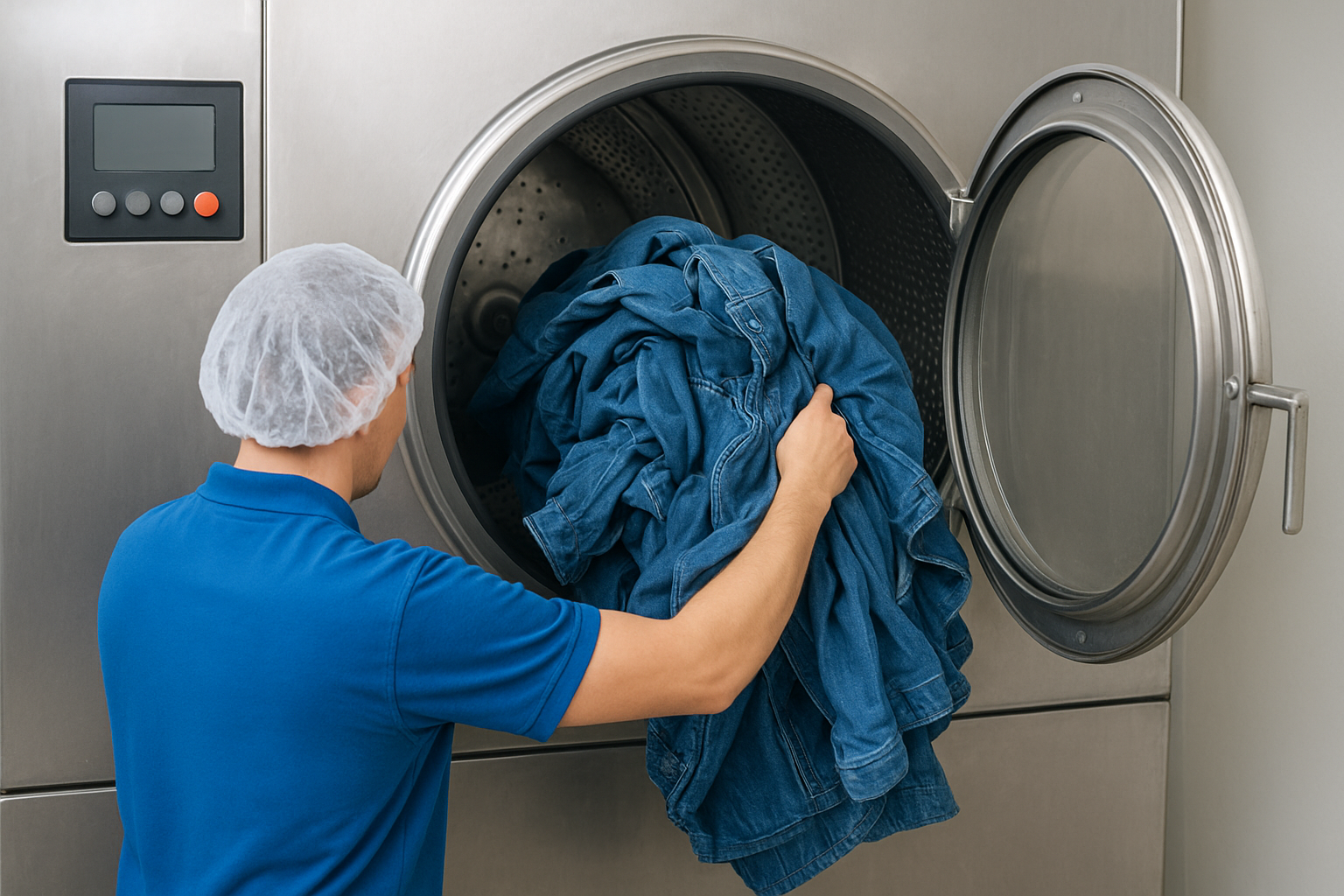
Most garment washing takes place in large rotating drums, similar in principle to commercial laundry equipment but built for much higher volumes and more precise control. Technicians load finished garments into the machine and add the appropriate chemicals, stones, enzymes, or other agents depending on the desired outcome. Temperature, duration, and agitation level are all controlled throughout the cycle to hit a specific result. A longer cycle at higher heat with abrasive stones produces a very different finish than a short, cool enzyme bath.
How the fabric responds
At the fiber level, washing breaks down surface tension in the fabric, relaxes the yarn structure, and in some cases physically abrades the surface. This is why washed garments often feel softer and look slightly faded or aged compared to unwashed ones. Understanding what is garment washing matters before you spec a product because the process introduces intentional change into the garment, not random variation. Brands that skip this step often end up with garments that shrink unevenly, feel stiff, or age poorly after the customer washes them at home for the first time.
Common garment wash methods
Understanding what is garment washing starts with knowing which techniques are available. Each method produces a distinct result, and your choice depends on what you want the finished garment to look and feel like. Some washes focus on softness and shrinkage control, while others change the visual appearance of the fabric entirely.
Functional washes
Enzyme washes use bio-based chemicals to break down surface fibers, which softens the fabric and removes lint without significantly changing the color. A softener wash follows a similar goal but uses conditioning agents to improve hand feel. Both are common for knit fabrics and basics where comfort is the main priority.
Enzyme washes are one of the most widely used techniques in commercial garment production because they deliver consistent softness without aggressive color change.
Aesthetic washes
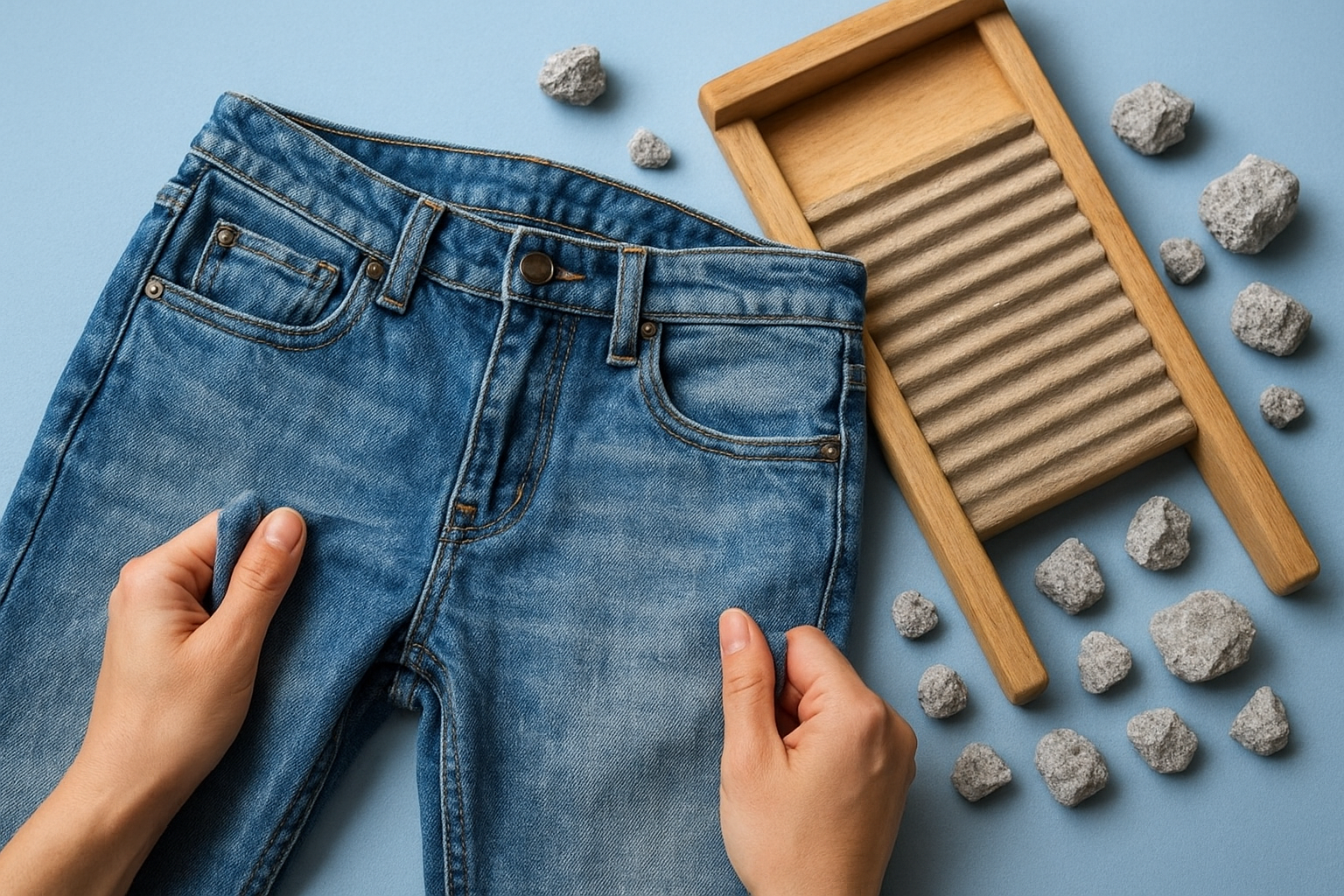
Stone washing tumbles garments with pumice stones to create a faded, worn look, most commonly applied to denim. These aesthetic techniques work best on heavier woven fabrics where the fiber structure can handle abrasion and chemical exposure well. Common options include:
- Stone wash: faded, worn-in appearance
- Acid wash: high-contrast bleached patterns across the surface
- Bleach wash: even overall color lightening
Benefits and trade-offs
Part of understanding what is garment washing is weighing what you gain against what it costs you. Washing adds real, measurable value to your finished garment, but it also adds processing time, cost, and risk if it's not executed correctly.
What washing adds to your product
Your most obvious gain is improved hand feel. A garment that goes through a proper wash treatment arrives at your customer soft, pre-shrunk, and ready to wear without that stiff, off-the-bolt texture that turns buyers off. Washing also gives you visual consistency across a production run, which matters when you're selling garments that need to match in color tone and surface finish batch after batch.
Pre-shrinking garments during production protects your sizing integrity and reduces the risk of customer returns after the first home wash.
Where the trade-offs show up
The main downside is added cost and lead time. Each wash cycle requires chemicals, water, energy, and skilled labor to execute correctly. If the wash specs aren't communicated clearly, you can end up with uneven results or damaged fabric, especially on lightweight or delicate materials that respond unpredictably to heat and agitation. Getting samples washed and approved before bulk production is the practical way to avoid those problems.
How to choose the right wash for your style
Choosing the right wash starts with knowing what your garment needs to do. Fabric type and end-use category are your two main filters. A lightweight jersey t-shirt and a heavy denim jacket both go through washing, but they respond very differently to the same treatment.
Match the wash to your fabric
Knit fabrics like jersey and fleece respond well to enzyme and softener washes because those treatments improve hand feel without stressing the structure. Woven fabrics, especially denim and canvas, can handle more aggressive treatments like stone washing or bleach washing because the tighter weave holds up under mechanical abrasion.
Matching your wash method to your fabric weight prevents damage and gives you a predictable, repeatable result across your full production run.
Match the wash to your brand aesthetic
If your line runs toward clean, minimalist basics, a simple softener wash handles shrinkage and hand feel without changing the visual character of the fabric. If your brand sells vintage or worn-in styles, aesthetic washes like stone wash or acid wash give you that deliberate aged look that's hard to replicate any other way.
Understanding what is garment washing at this level helps you make the right call early in development rather than correcting it after bulk production. Your sampling stage is the right time to test wash treatments and lock in the result you want before committing to full quantities.
How to specify garment washing in production
Knowing what is garment washing is only useful if you can communicate your requirements clearly to the factory. Wash instructions need to be part of your tech pack or production brief so the factory team knows exactly what treatment to apply, what result to target, and how to measure whether the outcome is acceptable.
What to include in your wash spec
Your wash spec should name the wash type (enzyme, stone, acid, bleach, or softener) and include a physical reference, such as a washed fabric swatch or an approved pre-production sample. The factory needs a target hand feel and visual standard to work toward, not just a label. At minimum, your spec should cover:
- Wash method and any chemical notes
- Target shrinkage tolerance by dimension
- Color and surface finish reference
- Acceptable range for hand feel
A clear reference sample eliminates guesswork and gives you a repeatable standard to measure against during quality control.
Confirming results before bulk
Before you approve bulk production washing, always review a washed pre-production sample. Check color consistency, hand feel, dimensional stability, and surface finish against your reference. If the result is off, adjust the wash cycle and retest before committing to full quantities. Correcting wash problems after bulk runs significantly higher in both cost and time than catching them at the sample stage.
Key takeaways
Understanding what is garment washing gives you better control over your product from development through bulk. Washing isn't a finishing detail you sort out at the end of production. It's a core manufacturing decision that affects how your garment feels, fits, looks, and holds up after your customer wears it for the first time. Choosing the right method for your fabric, specifying it clearly in your tech pack, and confirming results at the sample stage are the practical steps that keep your production on track and your sizing consistent across a full run.
If you're developing a new style and need wash treatment support as part of a broader manufacturing partnership, working with a partner that coordinates washing alongside sampling and bulk production keeps everything in one clear process. Garment washing decisions made early save time and cost later. Connect with the Manludini team to talk through your next garment development project.
0 comments