
Every finished garment you see on a rack or in a lookbook started as flat pieces of fabric that someone had to cut, shape, and assemble. That process, what is garment construction, covers every technical step between raw material and a wearable product. Whether you're developing your first collection or scaling an existing line, understanding how garments are actually built gives you more control over quality, cost, and timelines.
At Manludini, we work with fashion brands through every stage of production, from sample development to bulk manufacturing. We see firsthand how brands that understand construction basics communicate more effectively with factories, make fewer revision rounds, and get better results. That practical knowledge is what separates a smooth production run from one filled with costly back-and-forth.
This article breaks down garment construction into its core stages, walks through the fundamental techniques involved, and explains the principles that hold it all together. By the end, you'll have a clear framework for how fabric becomes a finished garment, and a better foundation for working with any manufacturing partner on your next project.
What garment construction includes
When you ask what is garment construction, the answer goes beyond basic sewing. It covers every technical decision and physical process involved in turning fabric into a finished, wearable garment. That includes how patterns are drawn, how fabric is cut, how pieces are sewn together, and how finishing details are applied. Each stage builds on the previous one, so problems in any step carry forward into the final product.
A clear understanding of what garment construction covers helps you identify issues before they appear in a finished sample or a bulk order.
Pattern making and cutting
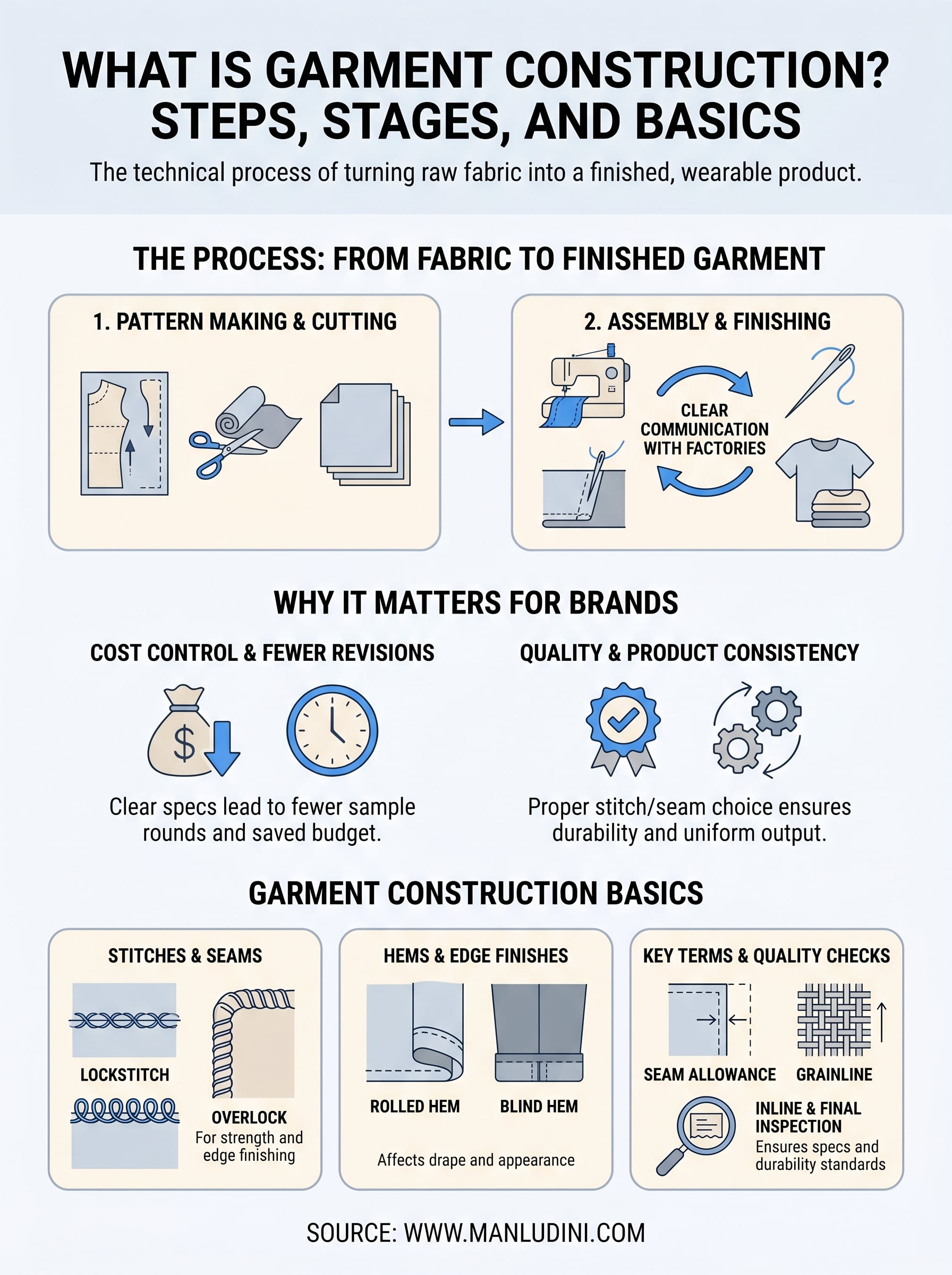
Pattern making is where construction starts. A pattern is a set of flat templates representing each panel of the garment, drawn to exact measurements with seam allowances and grain lines built in. Grain lines tell the factory which direction to align the fabric on the cutting table, which affects how the garment drapes and fits on a body. Getting the pattern right before any cutting happens saves significant time later in the process.
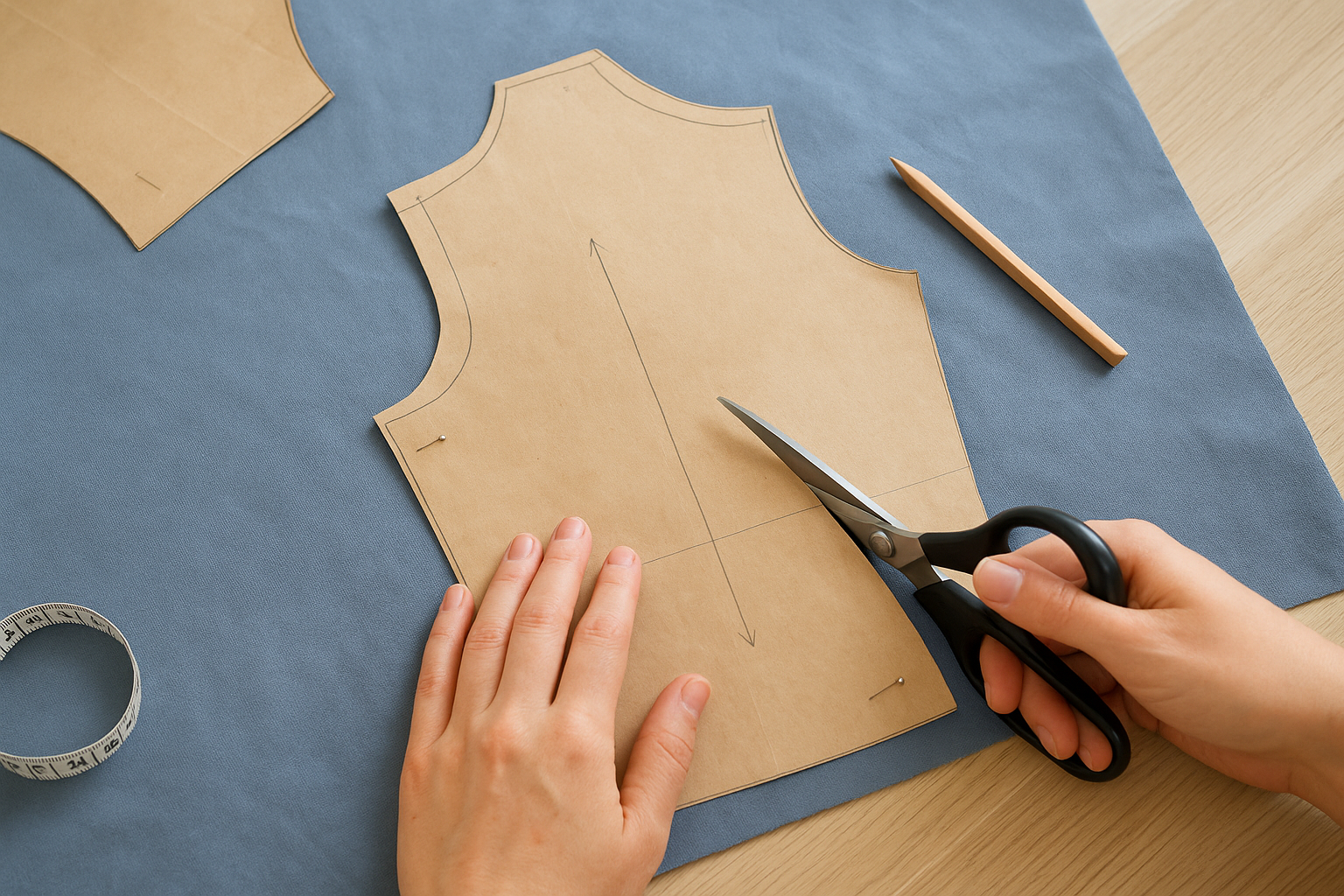
Cutting translates the pattern into physical fabric pieces. The fabric is laid flat, the pattern pieces are positioned, and each panel is cut out. Accuracy at this stage matters because even small miscuts affect how the pieces align during assembly, and fixing errors after cutting wastes both material and time.
Assembly and finishing
Assembly is the process of joining cut fabric pieces through stitching, following a set sequence called the order of operations. Factories use this sequence to sew specific seams before others, keeping the process efficient and reducing rework. The stitch type, tension, and thread selection all influence the strength and appearance of each finished seam.
Finishing covers everything applied after the main structure is complete, including hems, closures, labels, and decorative elements like embroidery or printing. These details affect both the look and durability of the final garment. Brands that understand finishing requirements up front tend to submit clearer tech packs, which leads to fewer sample revisions overall.
Why garment construction matters for brands
When you know what is garment construction and how each stage works, you approach production decisions with more confidence. Understanding the process helps you catch problems early, brief your factory clearly, and set realistic expectations for timelines and sample outcomes.
Cost control and fewer revisions
Construction knowledge directly affects your budget. Unclear specs or missing details in a tech pack often result in samples that miss the mark, forcing additional revision rounds that cost both time and money. When you understand seam types, stitch choices, and finishing requirements, you write better briefs from the start.
Every revision round you avoid at the sampling stage saves real money before you reach bulk production.
Your factory also benefits when you communicate precisely. Fewer back-and-forth messages means the production team spends time building instead of waiting for clarification.
Quality and product consistency
Construction decisions also determine how long a garment lasts and how consistently it performs across a full bulk order. Stitch type, seam reinforcement, and fabric grain alignment all affect durability. A brand that tracks these variables across samples and bulk production delivers a more consistent product to its customers.
Paying attention to construction quality at the sample stage means bulk orders arrive closer to your standard, with fewer surprises on delivery.
Stages of garment construction from idea to bulk
When you look at what is garment construction in practice, it follows a clear progression from concept through to finished bulk goods. Each stage builds on the one before it, and skipping steps or rushing through them creates problems that compound later in the process.
From design brief to sample
The first stage begins with your design brief, tech pack, or reference garment. Your factory uses that information to draft patterns, source fabric, and produce a first sample. This sample acts as a physical test of your specs, revealing fit issues, construction gaps, or material problems before you commit to a larger run.
Getting your tech pack as detailed as possible at this stage reduces the number of sample rounds you need before approval.
Revisions happen between sample rounds until the garment meets your standard. Once you approve the final sample, it becomes the production standard that the factory references for bulk, locking in every critical construction detail.
From approved sample to bulk production
Bulk production starts after sample sign-off. Your factory scales the approved construction across the full order quantity, following the same cutting sequence, stitch settings, and finishing steps used in the approved sample. Inline quality checks during bulk production catch sizing inconsistencies or stitch defects early, before they affect the entire order.
Tracking these checks through your order gives you documented evidence of quality and helps you resolve any discrepancies before goods ship.
Garment construction basics: stitches, seams, hems
One practical way to understand what is garment construction is to look at the technical elements that hold each piece together. Stitches, seams, and hems are the foundation of every finished garment, and your choices directly affect the look and durability of the final product.
Stitches and seams
The stitch type your factory selects depends on fabric weight and the stress each seam faces during wear. Lockstitch is standard for woven fabrics and produces a tight, stable join. Overlock stitching finishes raw edges and prevents fraying. Seam construction also matters: a flat-felled seam holds up better under pressure than a plain seam, making it the better choice for heavyweight or high-wear garments.
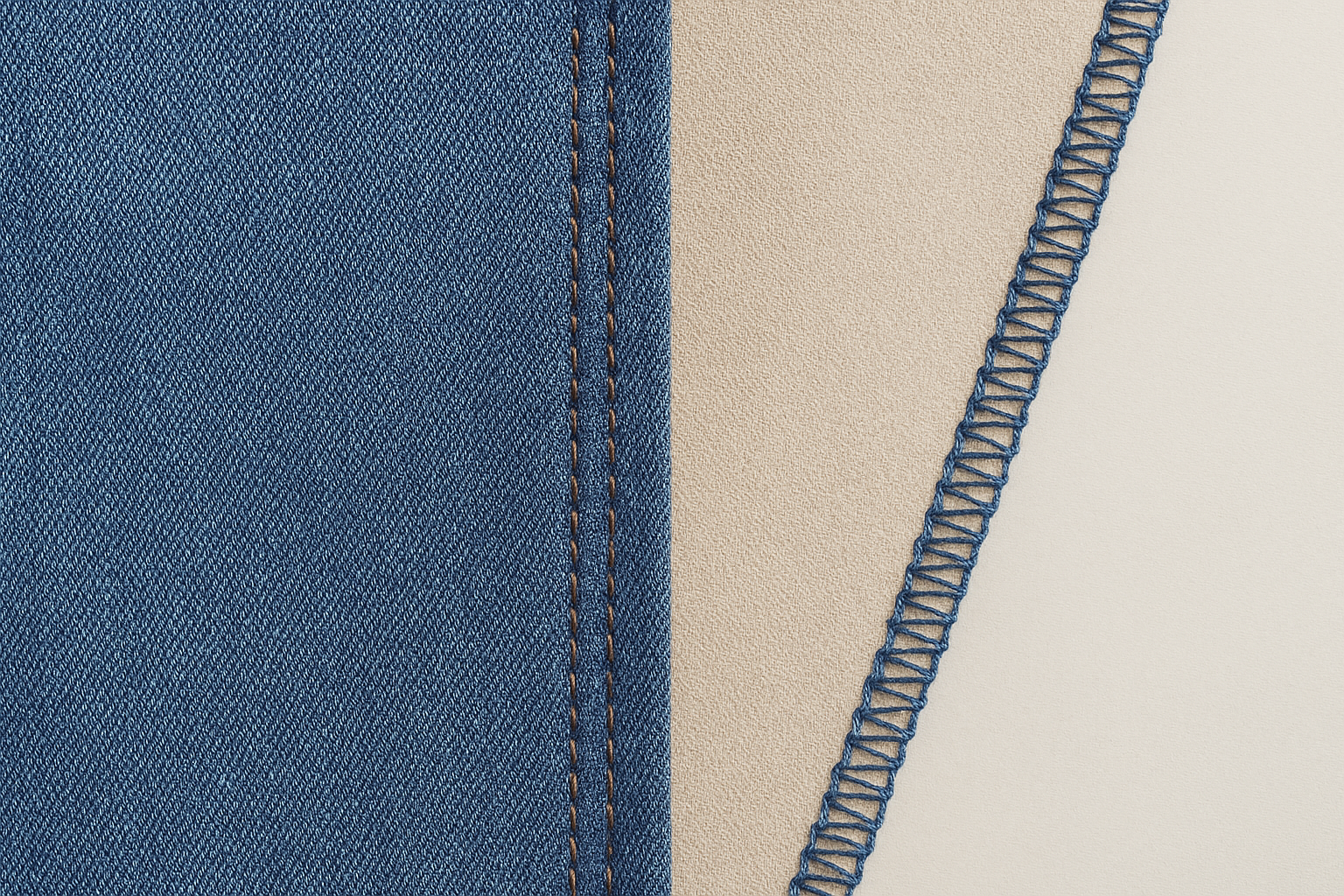
Specifying stitch and seam type in your tech pack stops the factory from defaulting to a cheaper option that reduces product quality.
Hems and edge finishes
Hems close the raw edge at the bottom or cuff of a garment panel. Your choice of hem affects the drape and visual weight of the finished piece. Common options include:
- Rolled hem: suits lightweight fabrics and a clean, minimal finish
- Blind hem: suits structured trousers or tailored jackets
- Topstitched hem: adds visual detail and reinforces the edge
Getting this detail into your sample brief means your bulk order delivers a consistent edge finish from the first piece to the last.
Common terms, components, and quality checks
Knowing what is garment construction also means understanding the vocabulary factories and production teams use every day. Shared terminology reduces miscommunication, keeps your briefs accurate, and helps you review samples and bulk orders with a clearer eye.
Key construction terms
Several terms come up across almost every production conversation. Seam allowance is the fabric margin left outside a stitch line, giving the seam room without pulling apart. Grainline refers to how a pattern piece aligns with the fabric weave, which controls drape and fit. Interlining is a hidden layer fused or sewn between outer fabric and lining to add structure, commonly used in collars and waistbands.
Getting these terms into your tech pack vocabulary means your factory spends less time interpreting your specs and more time building to them.
Quality checks during production
Quality checks confirm that bulk output matches your approved sample at each stage of production. Inline checks catch stitch defects, seam inconsistencies, or sizing drift before they spread across the full order. End-of-line inspection verifies the finished measurements, label placement, and overall appearance against your production standard.
Tracking these checkpoints through written reports gives you documented evidence of quality and a clear record to reference if anything needs to be corrected before your goods ship.
Key takeaways
Garment construction covers every technical step between raw fabric and a finished product, from pattern making and cutting through assembly, finishing, and quality control. Understanding what is garment construction gives you a clearer framework for communicating with your factory, writing tighter tech packs, and reducing the revision rounds that drain your budget and timeline.
The brands that get the best results from production treat construction knowledge as a practical tool, not just background information. When you know your seam types, stitch options, hem finishes, and quality checkpoints, you make better decisions at every stage, from your first sample brief to final bulk sign-off.
If you're ready to move a design from concept to finished garment, work with a manufacturing partner that communicates clearly and supports your production from sampling through bulk delivery, with the flexibility and direct factory communication your brand needs.
0 comments