
Choosing the best fabrics for activewear isn't just about comfort, it directly affects how your product performs, sells, and holds up over time. Whether a fabric wicks moisture, stretches without losing shape, or breathes during intense movement depends on its fiber composition and knit construction. Get this wrong, and you'll end up with returns, bad reviews, or garments that fall apart after a few washes.
At Manludini, we help brands source and produce activewear from scratch, from fabric selection and sampling to bulk manufacturing. We've seen firsthand how the right material choice can make or break a collection, especially for brands entering the athletic and athleisure space for the first time.
This guide breaks down five top-performing activewear fabrics, covering their key properties, best use cases, and practical sourcing tips so you can make smarter decisions before production even starts. Whether you're developing your first line or expanding into performance wear, this is the foundation you need to get it right.
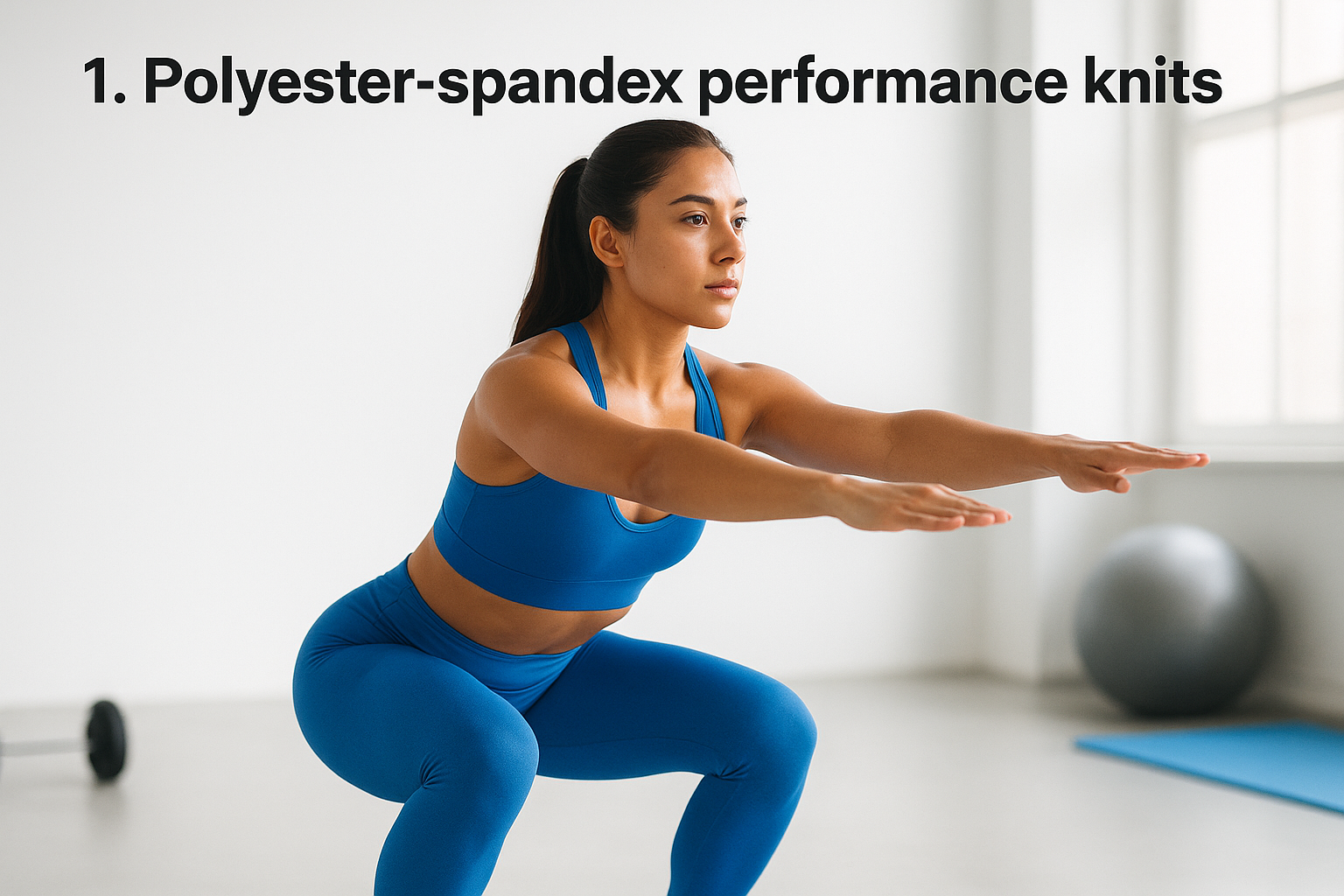
1. Polyester-spandex performance knits
Polyester-spandex is the most widely used fabric in activewear manufacturing, and for good reason. It combines the durability and moisture management of polyester with the stretch and recovery of spandex (also called elastane or Lycra), giving you a fabric that performs consistently across a wide range of athletic activities.
What it is and how it performs
This fabric is typically a knit blend of 80-92% polyester and 8-20% spandex. The polyester fiber wicks sweat away from the skin and dries quickly, while the spandex content delivers four-way stretch that snaps back to its original shape after repeated movement. It resists pilling, holds color well, and maintains structural integrity through hundreds of wash cycles.
If you're sourcing fabric for high-volume production, polyester-spandex blends offer the most consistent quality-to-cost ratio of any activewear material.
Best applications in activewear
The blend works across leggings, sports bras, cycling shorts, and compression gear. It suits any activity involving dynamic movement, from running and yoga to CrossFit. Brands building athleisure lines also rely on it because it performs in both gym and casual settings without compromising look or feel.
How to spec it for production
When writing your tech pack or fabric specification, target a GSM (grams per square meter) between 200-280 for leggings and 150-200 for lighter tops. Always request a four-way stretch confirmation from your mill, and specify whether you need a brushed inner surface for comfort or a smooth finish for compression-focused styles.
Sourcing and sustainability notes
Recycled polyester (rPET) is now widely available and a practical option if your brand wants lower environmental impact without sacrificing performance. Many mills offer GRS-certified recycled polyester that meets the Global Recycled Standard, giving you a verifiable sustainability claim backed by third-party certification.
Price and lead time factors
Standard polyester-spandex knits are competitively priced, typically ranging from $3-7 per meter depending on GSM and finish. Lead times from most Asian mills run 30-45 days for stock fabrics and up to 90 days for custom dye or print orders.
2. Nylon-spandex for soft, strong stretch
Nylon-spandex is the premium option among the best fabrics for activewear, offering a noticeably softer hand feel and stronger abrasion resistance compared to polyester-spandex blends. It's a strong choice for brands that prioritize tactile quality and durability in their performance product lines.
What it is and how it performs
This fabric typically combines 80-90% nylon with 10-20% spandex, creating a knit that is smooth, lightweight, and highly resistant to wear. Nylon absorbs slightly more moisture than polyester but dries quickly and holds its shape better under friction-heavy use, making it ideal for high-movement categories.
Nylon-spandex outperforms polyester-spandex in abrasion resistance, which matters significantly for categories like swimwear and cycling shorts.
Best applications in activewear
You'll find nylon-spandex performing best in swimwear, yoga pants, and high-intensity training gear where softness and shape retention matter most. Brands building premium-tier collections frequently choose this blend to justify a higher retail price point.
How to spec it for production
Target a GSM range of 180-240 for most nylon-spandex styles. Specify the nylon grade (nylon 6 vs. nylon 6,6) in your tech pack, as nylon 6,6 offers higher durability and elasticity for performance-focused applications.
Sourcing and sustainability notes
Recycled nylon (rNylon), sourced from fishing nets or post-industrial waste, is available through certified mills and growing in supply across major Asian textile hubs.
Price and lead time factors
Expect to pay $5-10 per meter for standard nylon-spandex, with lead times of 45-60 days for most custom orders.
3. Merino wool for odor control and thermoregulation
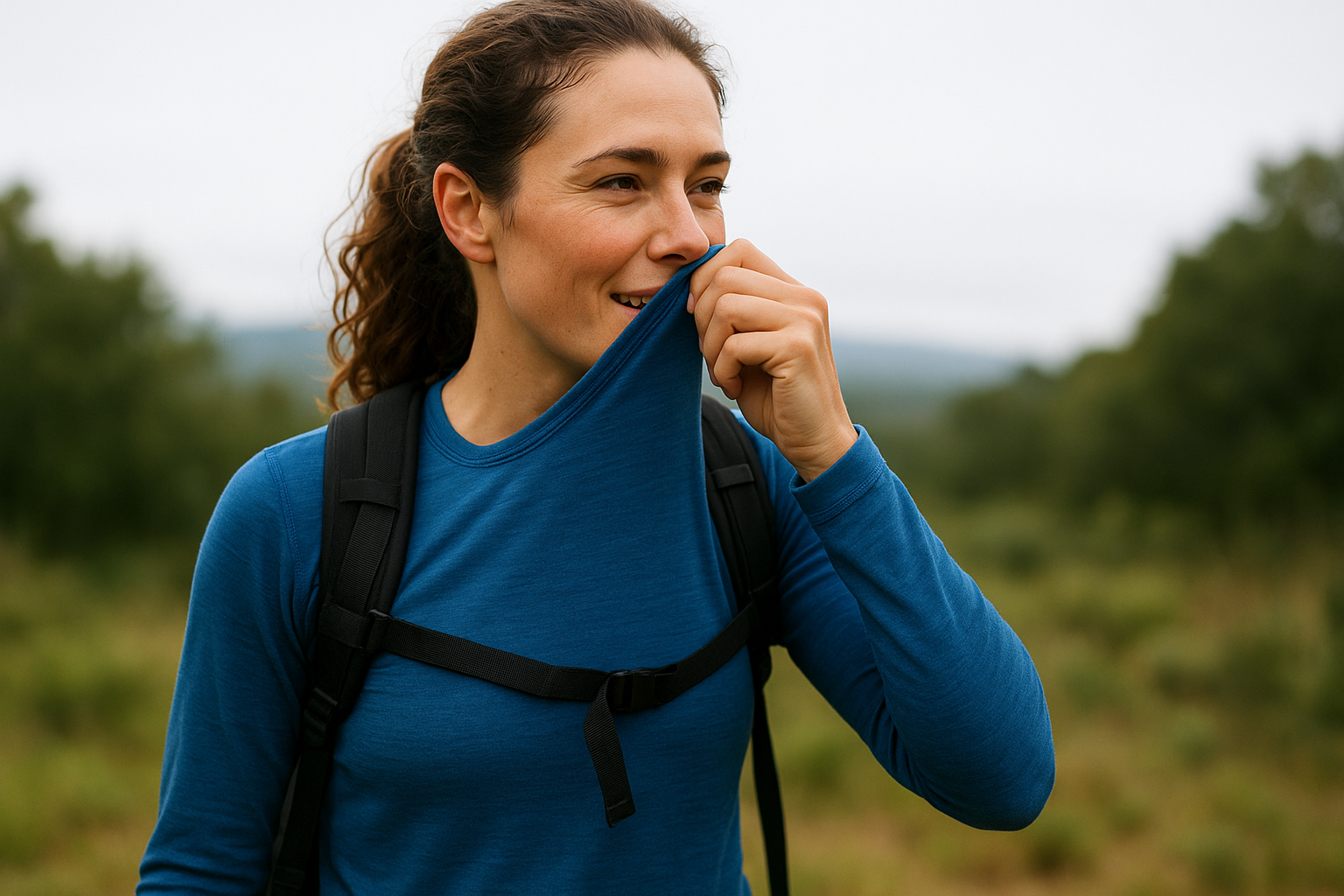
Merino wool brings natural performance properties that synthetic fabrics can't fully replicate. It's one of the more specialized choices among the best fabrics for activewear, particularly for brands targeting outdoor or endurance sports where odor resistance and temperature regulation over long wear periods matter most.
What it is and how it performs
Merino wool comes from Merino sheep and is processed into fine, soft fibers typically measuring 15-24 microns in diameter. The fiber actively regulates body temperature by absorbing and releasing moisture vapor, keeping you comfortable across changing conditions. It also naturally resists odor-causing bacteria, so garments stay fresher longer between washes without chemical treatments.
Merino wool's built-in odor resistance gives it a clear advantage over synthetics for multi-day outdoor activities where washing isn't always possible.
Best applications in activewear
This fabric performs best in base layers, hiking shirts, and trail running tops where extended wear and shifting temperatures are common. Your brand benefits most from this material if you're building outdoor or endurance-focused collections rather than standard gym-first product lines.
How to spec it for production
Specify a GSM range of 150-200 for lightweight base layers in your tech pack. Request fiber micron count from your mill, as finer microns (17-19 microns) deliver softer next-to-skin comfort for performance-focused styles.
Sourcing and sustainability notes
Look for mills offering ZQ or Responsible Wool Standard (RWS) certified Merino to support your ethical sourcing claims with verifiable third-party documentation.
Price and lead time factors
Merino wool typically costs $15-30 per meter, with lead times running 60-90 days for most custom orders.
4. Bamboo and lyocell blends for comfort-first activewear
Bamboo and lyocell blends occupy a growing niche among the best fabrics for activewear, appealing to brands that prioritize softness and sustainability without giving up basic performance.
What it is and how it performs
These blends typically combine bamboo-derived viscose or lyocell (often sold under the Tencel brand) with a small percentage of spandex for stretch. Both fibers deliver a naturally soft, breathable hand feel and moderate moisture absorption, though they dry more slowly than synthetics under high-sweat conditions.
Bamboo and lyocell blends perform best for low-to-moderate intensity activities where comfort against the skin matters more than rapid moisture evacuation.
Best applications in activewear
This fabric suits yoga, pilates, and lifestyle-focused activewear where wearers prioritize feel over high-intensity performance. Brands building eco-conscious or wellness-oriented collections benefit most from positioning this material as a feature.
How to spec it for production
Target a GSM of 180-220 for most applications. Key points to include in your tech pack:
- Specify whether you want lyocell or bamboo viscose, as they carry different certifications
- Note required spandex percentage (10-15% is standard) for adequate stretch recovery
Sourcing and sustainability notes
Lyocell qualifies for FSC or OEKO-TEX certification, giving your brand a verifiable sustainability claim. Bamboo viscose requires closer mill vetting since processing methods vary significantly in environmental impact.
Price and lead time factors
Expect to pay $6-12 per meter, with lead times of 45-75 days for custom orders.
5. Polypropylene for base layers and cold conditions
Polypropylene is one of the least discussed options when brands research the best fabrics for activewear, but it delivers a specific performance profile that no other fiber fully replicates in cold-weather and base layer applications.
What it is and how it performs
Unlike most synthetics, polypropylene repels moisture entirely rather than absorbing it, pushing sweat away from the skin through fiber construction rather than capillary action. It is the lightest major textile fiber by weight and maintains insulation when wet, making it a reliable performer in cold and wet conditions.
Polypropylene's near-zero moisture absorption keeps garments lighter than competing synthetics in wet environments, which directly benefits endurance athletes in cold climates.
Best applications in activewear
This fabric works best in cold-weather base layers, ski underlayers, and winter running gear where thermal performance and dryness close to the skin matter most. Brands targeting winter sports or outdoor cold-weather categories will find it more relevant than gym-first product lines.
How to spec it for production
Target a GSM of 120-180 for base layer applications, and specify your knit construction type in your tech pack. Confirm colorfastness testing requirements with your mill, since polypropylene takes dye differently than polyester.
Sourcing and sustainability notes
Polypropylene is not biodegradable and has limited recycled-content options compared to polyester or nylon. Weigh that carefully if sustainability certification is part of your brand positioning.
Price and lead time factors
Expect to pay $3-6 per meter, with lead times of 30-60 days for most orders.
Where to go from here
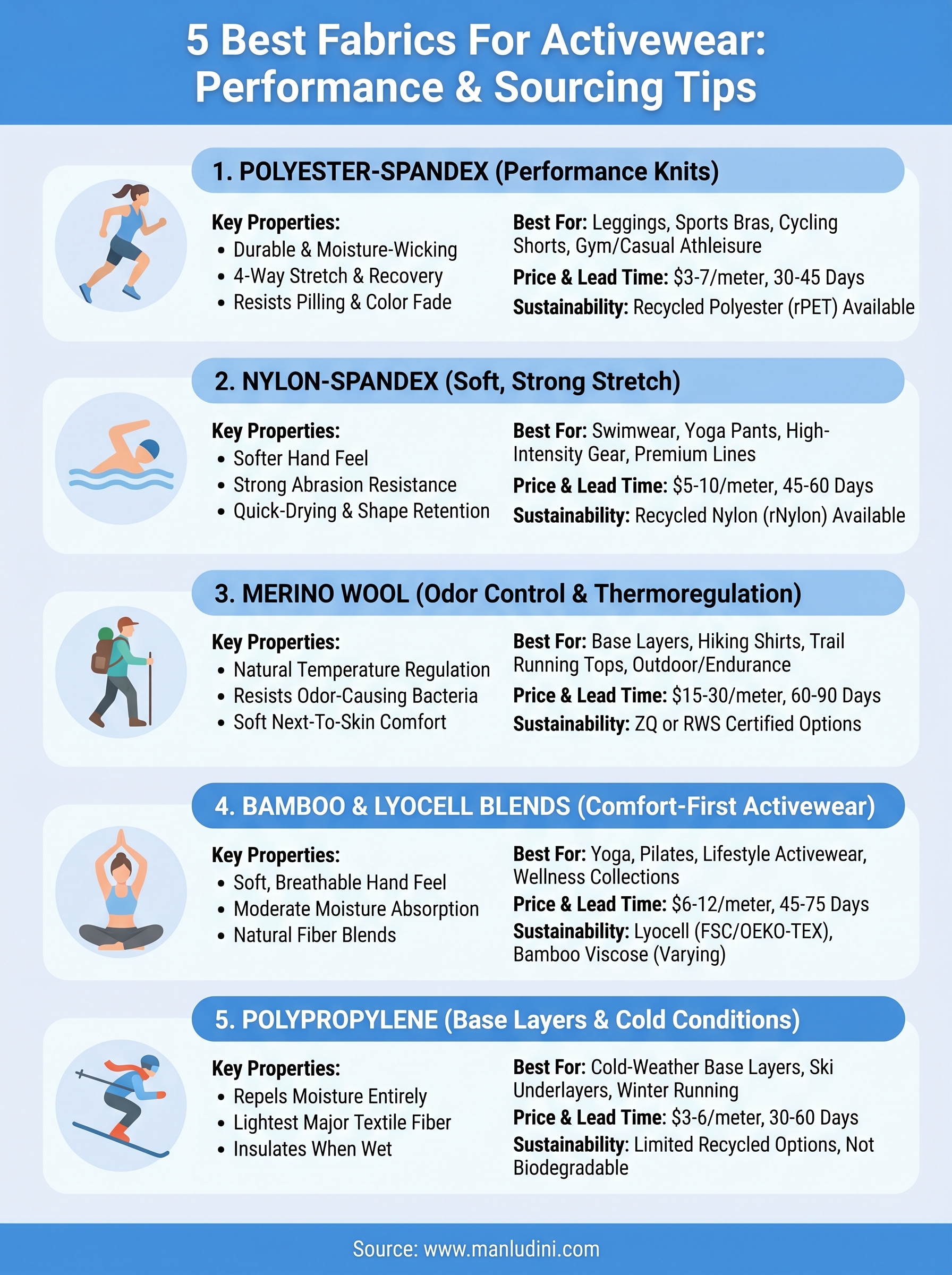
Understanding the best fabrics for activewear gives you a real advantage before you commit to production. Each fabric on this list serves a different purpose, and the right choice depends on your target activity, price point, and brand positioning. Polyester-spandex covers the widest ground for everyday performance. Nylon-spandex earns its premium price in high-friction categories. Merino wool suits endurance and outdoor-focused lines. Bamboo and lyocell blends fit comfort-driven, eco-conscious collections. Polypropylene delivers where cold weather and dryness are non-negotiable.
Picking the right material is only the first step. You still need to spec it correctly, source it from a reliable mill, and execute production consistently to get a finished garment that performs the way you intend. If you want a manufacturing partner that handles all of that with direct factory communication and flexible development support, reach out to Manludini to start your next activewear project.
0 comments