
Every finished garment you see on a rack or in a shipping box went through a series of deliberate steps before it got there. Understanding what is apparel manufacturing matters if you're a brand founder, designer, or sourcing professional trying to make informed production decisions. It's the process that turns raw textiles into wearable, market-ready clothing, and it involves far more than just cutting and sewing.
Apparel manufacturing covers everything from fabric sourcing and pattern making to sample development, bulk production, quality control, and packing. Each step has its own set of players, decisions, and potential pitfalls. When you understand how these stages connect, you're in a much stronger position to communicate with factories, manage timelines, and protect your margins. Skipping this knowledge is how brands end up with delayed shipments, inconsistent quality, or samples that miss the mark entirely.
At Manludini, we work with fashion brands through every phase of this process, from first sample to finished bulk order. This article breaks down the full apparel manufacturing workflow, the key roles involved, and what each production step actually looks like in practice so you can approach your next project with clarity.
Why apparel manufacturing matters for brands
Understanding what is apparel manufacturing isn't just background knowledge. It directly affects your production costs, product quality, and whether your brand can scale without constant problems. Brands that skip this foundational understanding often rely too heavily on a factory to make decisions that should be theirs. That leads to miscommunication, unexpected costs, and products that don't match the original vision. The more you know about how garments are made, the more control you hold over your own supply chain.
The brands that manage production well are almost always the ones that show up prepared, not the ones that simply find the cheapest factory.
Your margins depend on production decisions
Every choice made during manufacturing, from fabric selection to construction method to packaging type, has a direct cost attached. Fabric quality and yield determine a large portion of your unit cost. Construction complexity, including the number of seams, special finishes, and hardware, affects both price and lead time. Brands that understand these trade-offs can make smarter decisions rather than accepting whatever a factory proposes by default.
For example, a brand that specs a woven label when a printed label achieves the same result will pay more without gaining anything meaningful. Knowing your options gives you real leverage when reviewing factory quotes.
Your timeline depends on how well you communicate
Factories work with multiple clients at the same time. When your instructions are unclear or incomplete, your order slows down while clarifications are worked out. Clear communication and proper documentation keep your production on schedule. Incomplete tech packs or vague approval processes are among the most common causes of delayed shipments and costly re-sampling rounds.
When you understand what the factory needs from you at each stage, you reduce back-and-forth and move faster from sample approval to bulk production. That speed advantage matters more than most brands realize, especially when you're working against seasonal deadlines or planned launch windows.
How the apparel manufacturing process works
Understanding what is apparel manufacturing means understanding how each stage connects to the next. The process follows a fixed sequence, and every step feeds directly into what comes after. Rushing or skipping steps creates problems that surface later, usually when fixing them costs more time and money than getting them right the first time.
The more clearly you understand each production stage, the fewer surprises you face when working with a factory.
From concept to sample
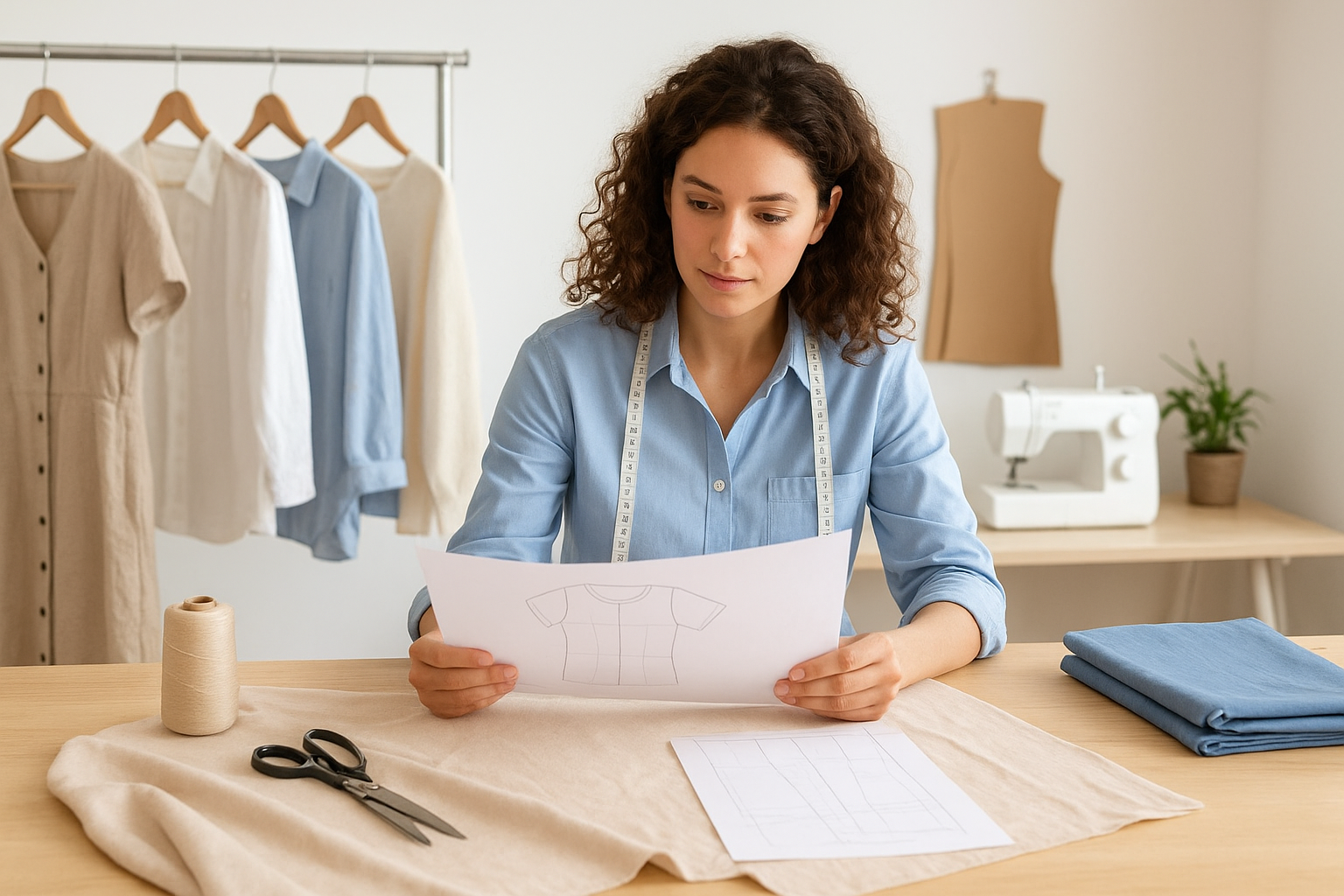
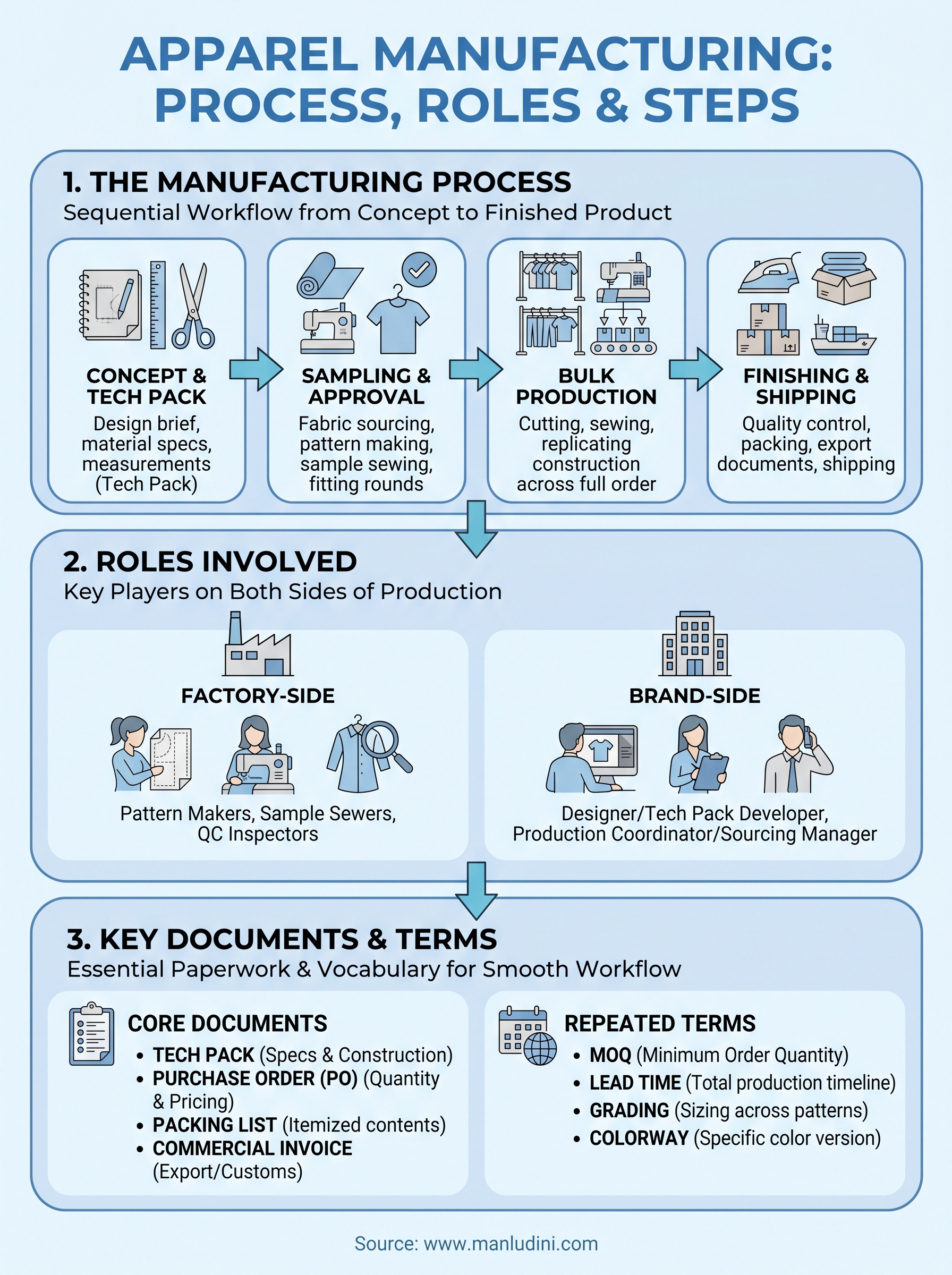
The process starts with a design brief or tech pack that gives the factory exact instructions on how your garment should look, fit, and be built. From there, fabric sourcing, pattern making, and sample sewing happen before your first sample is ready for review:
- Fabric and trim sourcing
- Pattern making and grading
- Sample cutting and sewing
- Fitting and revision rounds
From sample approval to bulk
Once you approve the final sample, the factory shifts into bulk cutting and sewing, replicating the approved construction across your full order quantity. Garments then move through quality control inspections, followed by finishing steps like pressing, washing, and labeling.
The process closes with packing and export documentation. Your shipment does not leave until documents like the packing list and commercial invoice are confirmed and ready for the freight forwarder.
Roles in apparel manufacturing
When you ask what is apparel manufacturing, the answer always involves people working on both sides of the production relationship. Factories employ multiple specialists, each responsible for a specific stage of the workflow, and your brand brings its own set of roles to the table as well. Understanding who does what helps you direct questions to the right person, reduce back-and-forth, and catch problems before they turn into rework or delays.
Knowing which role to contact at each stage saves you time and prevents miscommunication from becoming costly production setbacks.
Factory-side roles
Inside a factory, several key roles handle the physical production work:
- Pattern makers translate your tech pack into actual cutting templates
- Sample sewers construct the first version of your garment by hand
- QC inspectors check measurements and construction details against your approved sample
Each role depends on clear inputs from your side to move forward without interruption.
Brand-side roles
On your end, a tech pack developer or designer creates the specifications the factory needs to build your garment correctly. A production coordinator or sourcing manager tracks timelines, manages sample approvals, and keeps communication organized between your team and the factory. Smaller brands often consolidate both roles into one person, which makes clear and complete documentation even more critical since that single person carries the entire production relationship forward.
Key documents and terms to know
Part of understanding what is apparel manufacturing is knowing the paperwork and terminology that keeps production running. Factories rely on clear documents to build your garments correctly, and using the right terms when communicating with them reduces confusion and speeds up every stage of the process.
Getting your documents right before production starts is one of the most effective ways to prevent costly mistakes later.
Core production documents
Every order involves a set of documents that move alongside the physical garments. Each one serves a specific role, and missing or incomplete documents can hold up production or delay your shipment:
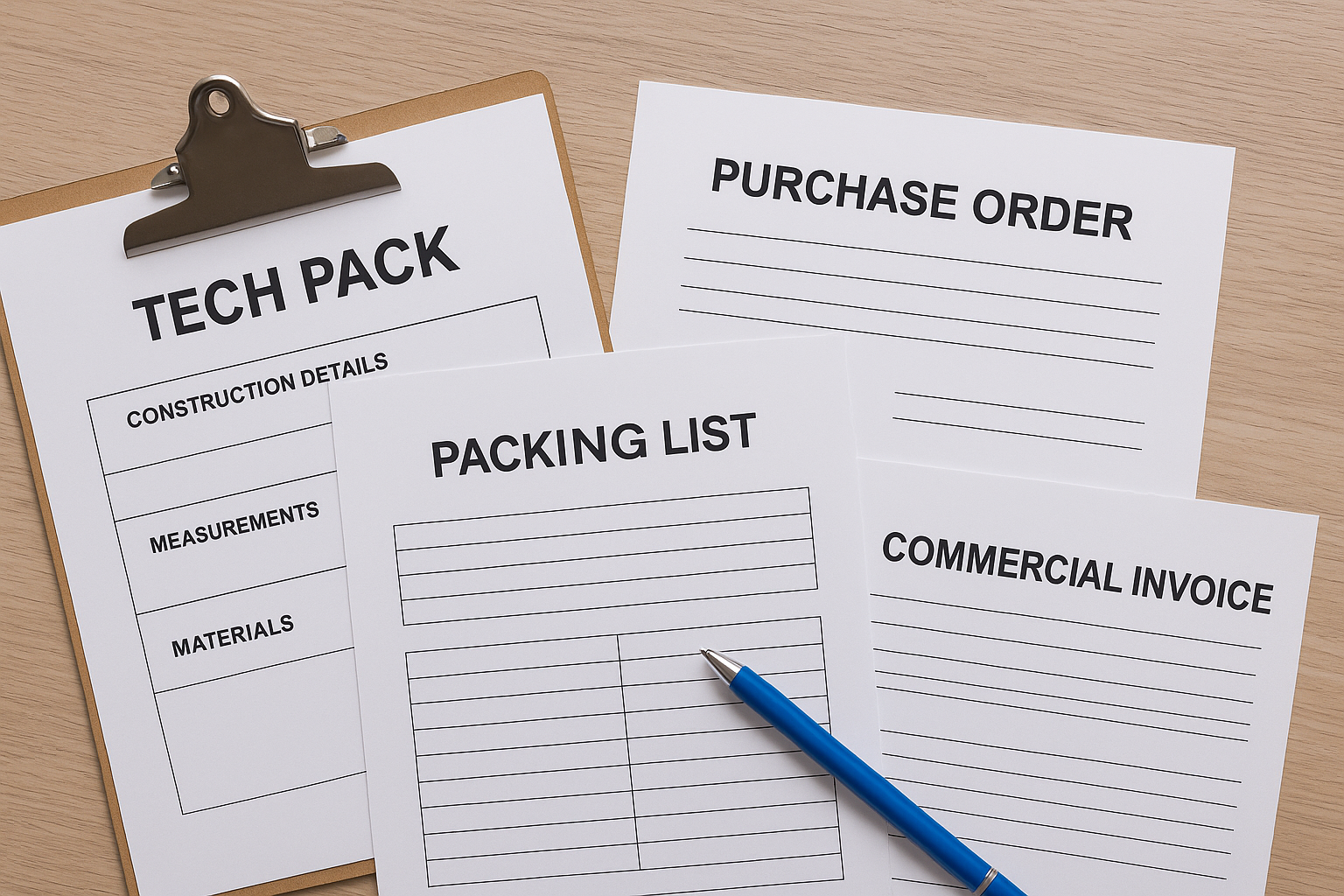
- Tech pack: construction details, measurements, and materials the factory needs to build your sample
- Purchase order (PO): formalizes quantity, pricing, and delivery timeline after sample approval
- Packing list: itemizes what is inside each carton for the freight forwarder
- Commercial invoice: required for export clearance and customs processing
Terms that come up repeatedly
Certain terms appear in almost every factory conversation. Knowing them helps you follow along and respond without delays:
- MOQ: the minimum unit count a factory accepts per style or colorway
- Lead time: total days from order confirmation to shipment
- Grading: scaling a pattern up or down across different sizes
- Colorway: each distinct color version of a garment
How to work with an apparel manufacturer
Working with a factory becomes far more straightforward once you understand what is apparel manufacturing and what each stage demands from you. Your preparation before the first conversation sets the tone for the entire production relationship. Factories respond well to clients who arrive with clear documents, defined timelines, and realistic expectations about MOQ and lead time. Showing up unprepared signals to a factory that your order will require more hand-holding, which can affect how they prioritize your work.
The brands that get consistent results from factories are the ones that treat production as a structured process, not just a one-time transaction.
Come prepared with the right materials
Before reaching out to any manufacturer, you should have your tech pack or at minimum a clear reference sample ready. Vague or incomplete requests waste time on both sides and often lead to samples that miss your intended design entirely. The more specific your inputs, the more accurate your first sample will be, and the fewer revision rounds you will need before moving to bulk.
Communicate clearly at every stage
Approval decisions and revision notes should always be written down, not left to verbal conversations. Factories handle multiple orders simultaneously, so written records prevent misunderstandings from turning into costly production mistakes. Responding quickly to factory questions keeps your order moving forward without unnecessary hold-ups in the production queue, which protects your timeline as much as it protects your budget.
Final thoughts
What is apparel manufacturing at its core is a structured, sequential process that takes your design from raw materials to finished garments ready for market. Every stage, from fabric sourcing and sample development through bulk production and quality control, connects directly to the next. When you understand how those stages link together, you make better decisions, communicate more clearly with factories, and protect your timeline and budget from avoidable problems.
The brands that consistently produce quality garments on schedule are the ones that treat manufacturing as a process worth learning, not just a service to outsource blindly. Your preparation, your documentation, and your communication determine how smoothly each production run goes. Getting those fundamentals right gives you real control over your supply chain.
If you are ready to move a project forward with a manufacturing partner who communicates clearly and supports you from sampling through bulk, contact the Manludini team to get started.
0 comments