
Choosing between French terry fabric vs fleece can make or break the comfort, look, and performance of a garment. Both fabrics show up in hoodies, joggers, and casual collections constantly, but they're built differently, and those differences matter when you're developing a product line. Picking the wrong one leads to fit issues, seasonal mismatches, and disappointed customers.
At Manludini, we work with fashion brands through every stage of garment development, from fabric sourcing to bulk production. We've helped brands select and produce both French terry and fleece styles across different weights, finishes, and constructions, so we know firsthand where each fabric works best and where it falls short.
This article breaks down the key differences between French terry and fleece, covering warmth, weight, texture, breathability, and durability. Whether you're building a transitional collection or a cold-weather capsule, you'll walk away knowing exactly which fabric fits your design goals and your customer's expectations.
Why the French terry vs fleece choice matters
The fabric you choose at the development stage shapes everything downstream. A wrong call on fabric construction doesn't just affect how a garment feels; it affects your production costs, your care label claims, your seasonal relevance, and ultimately whether customers re-order. When brands come to us comparing french terry fabric vs fleece, the question isn't only about texture. It's about what the finished garment needs to do for the person wearing it and whether your choice holds up once the product reaches their hands.
It shapes your product's performance
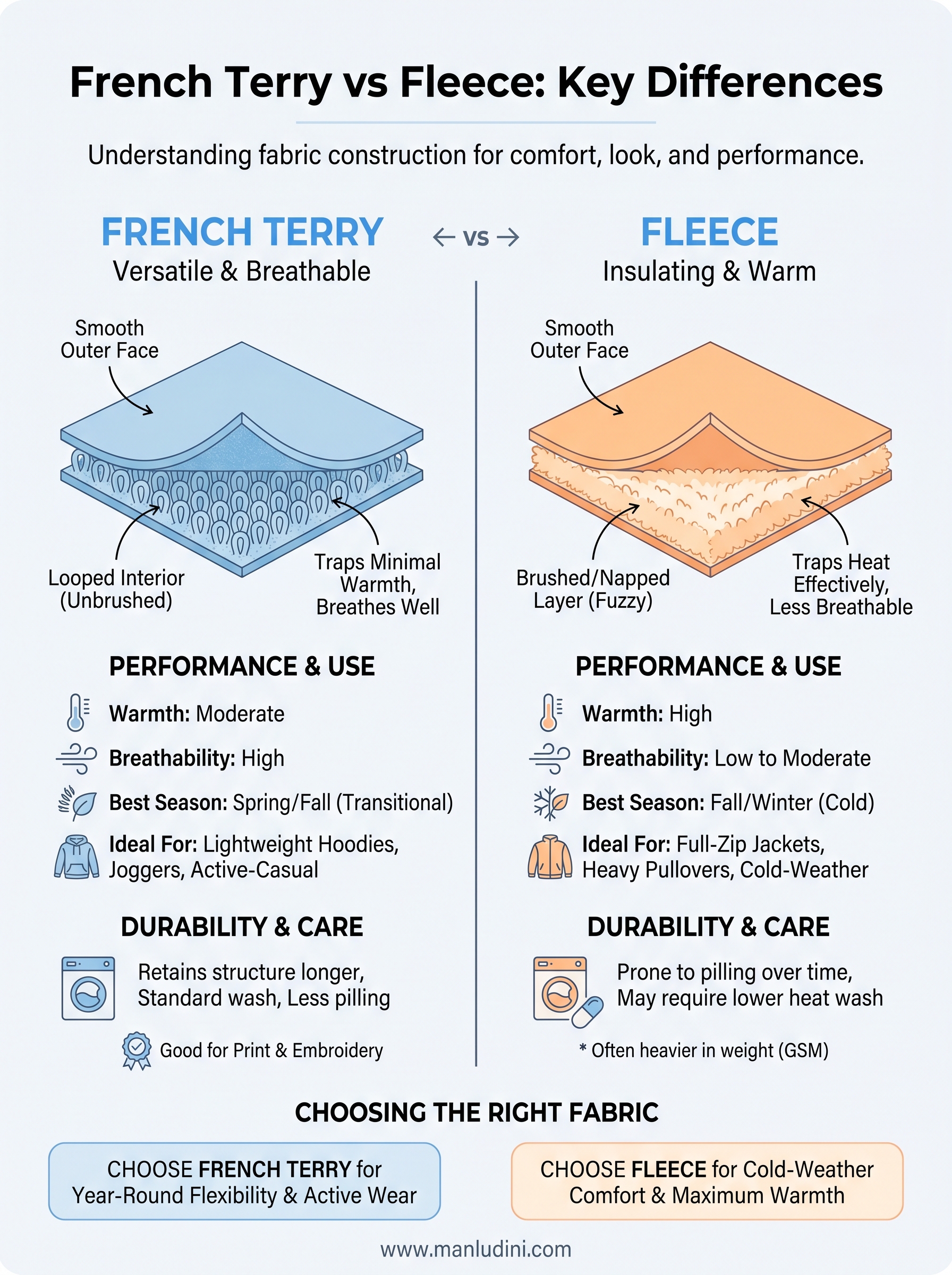
French terry and fleece behave differently under real conditions. French terry has a smooth outer face and looped interior, which means it breathes well and works across a wider range of temperatures. Fleece, on the other hand, is brushed on one or both sides to create a thicker, insulating layer. That construction traps more air, which means more warmth but noticeably less breathability.
If you're developing a transitional piece that your customer will wear in varied conditions, picking fleece without understanding its heat retention can result in a garment that gets left in the closet for half the year.
If you're building a training collection, moisture management matters more than warmth. French terry handles light sweat and active movement better than most fleece constructions. But if you're producing a casual weekend hoodie meant for cold evenings, a mid-weight fleece will outperform French terry in comfort and customer satisfaction every time.
It affects your production and cost planning
Fabric selection also drives decisions you make further down the line, and those decisions carry real budget implications. Fleece typically runs heavier in GSM (grams per square meter), which raises your fabric cost per unit and increases your shipping weight. French terry is often the more cost-efficient option for lightweight styles, but that lower weight also means it won't deliver the warmth some customers expect from a heavier pullover.
Your bulk order quantities and fabric sourcing timelines shift depending on which construction you commit to early. Fleece fabrics with specialty finishes like anti-pill treatments or sherpa backing require more lead time to source and develop. French terry in standard weights is generally faster to source and easier to develop across multiple colorways. Knowing these production implications before you finalize your tech pack protects you from costly revisions and delays later in the process.
What French terry fabric is
French terry is a knit fabric construction that features a smooth, flat surface on the outside and a looped pile on the inside. Unlike a standard jersey knit, the interior loops create a soft, cushioned layer that sits against the skin without adding significant bulk. This construction gives French terry garments a clean exterior appearance while keeping the inside comfortable enough for all-day wear.
How French terry is constructed
French terry starts as a knit fabric built on a circular knitting machine that creates uncut loops on the inner face while the outer face stays smooth. Brands often finish it in weights ranging from roughly 200 to 300 GSM, which places it in the lightweight-to-mid-weight range. That weight range is a key part of what sets it apart in the french terry fabric vs fleece comparison, since fleece typically sits much heavier. The loops inside are not brushed or cut, which means the fabric retains structure and breathes more freely than a brushed alternative.
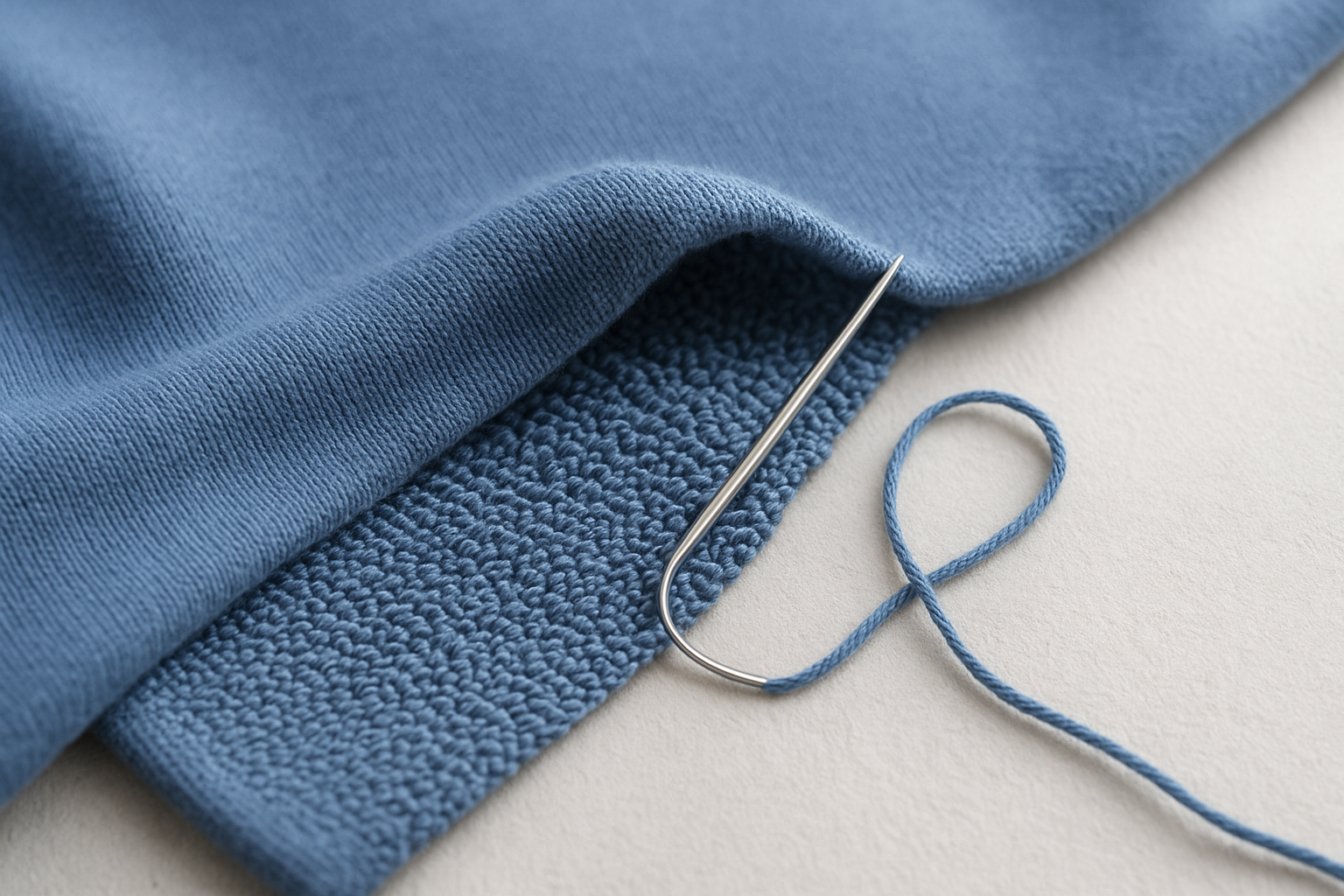
French terry's looped interior traps just enough warmth for transitional weather without closing off airflow the way a fully brushed fabric does.
Where French terry performs best
French terry works best in garments designed for year-round or transitional use, including hoodies, sweatpants, joggers, and lightweight crewnecks. Because the fabric manages moisture reasonably well and doesn't overheat the wearer in moderate temperatures, it suits both active and casual wear categories. Brands developing collections that need to move across seasons without retooling the entire range often lean on French terry as a dependable base fabric. Its smooth outer face also takes dye, print, and embroidery finishes cleanly, which gives you more design flexibility during development.
What fleece fabric is
Fleece is a knit fabric that goes through a brushing or napping process after knitting, which raises the fibers to create a soft, insulating surface on one or both sides. Unlike French terry, which keeps its interior loops intact, fleece gets mechanically agitated until the fibers break and spread into a dense, fuzzy layer. That layer is what gives fleece its signature warmth and loft. When comparing french terry fabric vs fleece, this construction difference is the single biggest factor driving performance outcomes across warmth, weight, and breathability.
How fleece is constructed
Most fleece starts from a polyester or polyester-blend knit base, though cotton and cotton-poly blends exist across different market segments. After knitting, the fabric runs through a raising machine that pulls fibers to the surface, then a shearing process that trims them to a consistent height. Weights range from lightweight 100 GSM microfleece all the way up to 400+ GSM heavy fleece, giving you a wide range of insulation levels to build around. Anti-pill finishes are often applied at this stage to reduce pilling during wear and washing, which matters for long-term product quality.
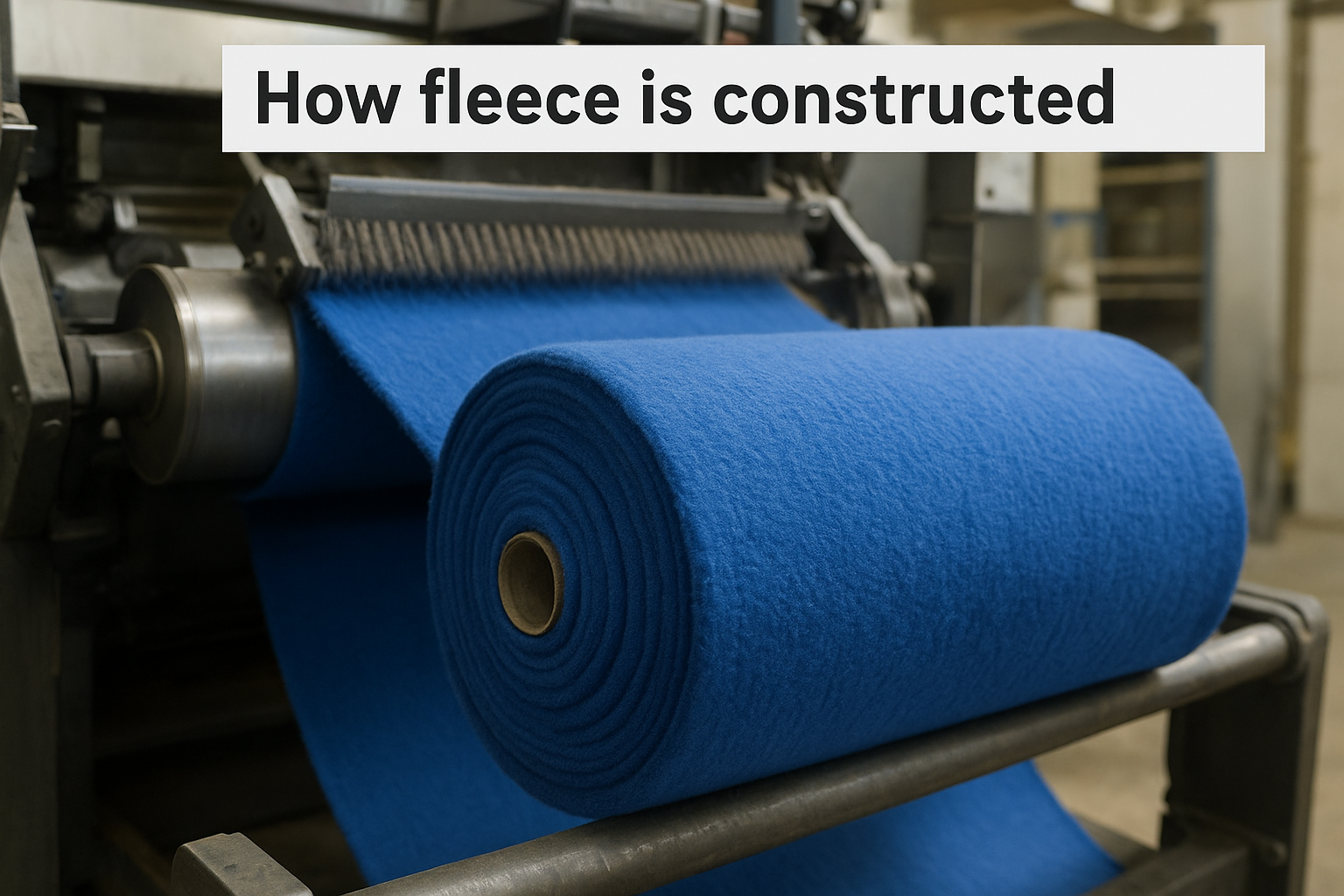
Fleece's brushed construction traps air between the fibers, making it one of the most effective lightweight insulating fabrics for casual and outdoor apparel.
Where fleece performs best
This fabric works best in cold-weather and outerwear-adjacent categories, including full-zip jackets, heavyweight hoodies, liners, and pullovers designed for low-temperature wear. Because it prioritizes heat retention over breathability, fleece suits garments your customer reaches for when temperatures drop rather than pieces they'll layer during active movement. If your collection targets fall and winter, or you're building a product for colder climates, fleece delivers on warmth in a way French terry simply isn't designed to match.
French terry vs fleece side-by-side
When you put french terry fabric vs fleece directly next to each other, the differences come into focus fast. Both are knit constructions, but their finishing processes push them toward different end uses, different customer expectations, and different production requirements.
Performance at a glance
The table below maps the core performance factors across both fabrics so you can see where each one leads and where each one falls short for your collection goals.
| Factor | French Terry | Fleece |
|---|---|---|
| Warmth | Moderate | High |
| Breathability | High | Low to moderate |
| Weight (typical GSM) | 200-300 | 200-400+ |
| Moisture management | Good | Fair |
| Outer texture | Smooth | Soft/fuzzy |
| Best season | Spring/Fall | Fall/Winter |
| Print/embroidery | Excellent | Moderate |
French terry gives you more design flexibility for year-round collections, while fleece locks you into a colder-weather positioning that narrows your seasonal window.
These differences shape more than comfort. Weight and breathability directly influence how your customer uses the garment and what they compare it against in their existing wardrobe.
Durability and care
Both fabrics hold up well in regular wash cycles, but they respond differently over time. French terry retains its structure longer because the interior loops stay intact rather than breaking down through the brushing process. Fleece is more prone to pilling over time, especially in lighter polyester versions without an anti-pill finish applied during production.
Your fabric choice also affects care label copy, which matters during development. French terry typically handles standard machine washing without special instructions, while some fleece constructions require lower heat settings to maintain loft and prevent fiber damage across repeated washes.
How to choose the right fabric for your style
Making the right call on french terry fabric vs fleece comes down to three questions: What temperature range does your customer live in? What category does the garment sit in? And how much seasonal flexibility does your collection need? Answer those before you lock in a fabric, and the decision gets much easier.
Choose French terry for year-round collections
If your brand builds collections around transitional wear or active-casual crossover styles, French terry is the stronger default. Its smooth outer face takes print and embroidery cleanly, and its breathability keeps the garment relevant across spring, summer evenings, and fall without forcing your customer to reach for something warmer.
French terry works hardest when your goal is a garment that earns wear across multiple seasons rather than one specific temperature window.
Joggers, lightweight hoodies, and crewnecks in French terry give your customer something they can layer under a jacket or wear on its own without overheating. That flexibility across end uses makes it easier to justify the piece inside a tighter wardrobe.
Choose fleece when warmth is the main goal
When your customer is shopping specifically for cold-weather comfort, fleece delivers what French terry cannot. A mid-weight or heavyweight fleece hoodie sends clear warmth signals that match what cold-season buyers look for in a garment. That positioning also supports higher price points in a fall or winter collection since the product's function is immediately obvious.
Your fleece weight choice should match the end use directly. Lighter fleece around 200 GSM works well for indoor layering pieces, while heavier constructions above 300 GSM suit outerwear-adjacent styles built for outdoor wear.
Final takeaways
The french terry fabric vs fleece decision shapes how your garment performs, who buys it, and how long it stays in rotation. French terry gives you breathability and year-round versatility, making it the right call for transitional styles, active-casual pieces, and collections that need to move across seasons without losing relevance. Fleece delivers warmth and cold-weather positioning, which earns its place in fall and winter ranges where your customer expects insulation over airflow.
Your fabric choice also affects production costs, sourcing timelines, and care requirements, so locking it in before you finalize your tech pack protects your development schedule and prevents costly revisions. Neither fabric is universally better than the other. The right one is the one that matches what your customer actually needs from the garment and what your collection is built around.
Ready to move from fabric selection into sample development or bulk production? Work with Manludini to build garments that match your specs from the first sample forward.
0 comments